Home |
Games |
About |
News |
Forum |
|
|||||||
The Realm of Hy Brasil |
|||||||
The Races of Hy Brasil |
|||||||

The Elf Clans
The Elf Clan Theme
 |
 |
|
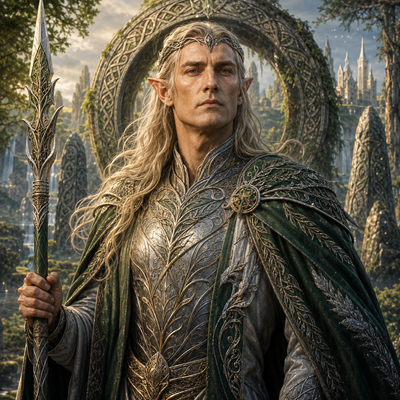
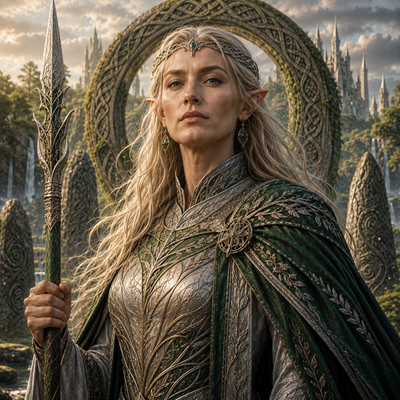
The Elves of Hy BrasilThe Elves of Hy Brasil are an ancient, graceful, and mysterious people whose kingdoms were old before many human clans had raised their first stone halls. They are the race of memory, beauty, patience, hidden power, and precise warfare. They live close to enchanted forests, moonlit rivers, ancient stone circles, and high white towers built among valleys, cliffs, and sacred groves. To outsiders, elves can appear distant, proud, and difficult to understand. They speak slowly, remember ancient wrongs, and do not easily forgive insults. A human lord may forget a slight after a generation. An elf house may remember it for five hundred years. Yet the elves are not cold-hearted. They love deeply, grieve long, and create beauty that can endure for ages. Their songs preserve lost histories. Their halls are carved with the names of ancestors, fallen lovers, dead kings, and vanished forests. They see time differently from the younger races, and this gives them both wisdom and sorrow. The elves believe that the world is not merely territory to be conquered. It is a living pattern of spirit, memory, beauty, bloodline, and oath. A kingdom that destroys beauty for short-term gain is, to an elf, a kingdom already dying. The Ancient HousesElf society is built around ancient houses, noble bloodlines, sacred groves, and long-held oaths. Unlike humans, who can rise quickly through war, trade, or ambition, elves value continuity. Their rulers are expected to preserve the dignity and memory of their people. An elf lord or lady is more than a commander. They are a guardian of ancestral honour, keeper of old alliances, defender of sacred lands, and voice of generations not yet born. Their houses often control forests, hidden valleys, river sanctuaries, and elegant citadels built in harmony with the land. Some elf realms are open and radiant, with white towers, gardens, bridges, waterfalls, and halls of music. Others are secretive, veiled by enchantment and guarded by silent archers who watch from the trees. Elf politics can be subtle and dangerous. They rarely act in haste. A human army may march within a season. An elf council may debate for years — but when the elves finally move, their decision is often devastatingly precise. Place in the Earth RealmThe race of gods who rule the Earth Realm look upon the elves as one of the oldest mortal peoples still bound to the world. The elves are spiritually sensitive and deeply affected by divine favour, sacred sites, curses, and magical imbalance. Many elves honour Etain, Belenus, Gaia, Brigid, the Mother Goddess, or Cernunnos depending on their house traditions. They are less likely than humans to change religions quickly, because elf faith is usually tied to ancestry and sacred land. An elf house devoted to Etain may become a realm of beauty, diplomacy, song, grace, and cultural prestige. An elf realm devoted to Belenus may become radiant, honourable, disciplined, and deadly against evil. A Gaia-aligned elf house may become one of the strongest guardians of nature in the Earth Realm. A Brigid-aligned elf realm may produce great healers, seers, scholars, poets, and magical smiths. A Mother Goddess elf settlement may become a sanctuary of healing, fertility, and protection. A Cernunnos elf house may become wild, secretive, and terrifying in forest warfare. Elves are deeply suspicious of Yaldabaoth and Moloch. They see Yaldabaoth as a destroyer of freedom, beauty, and spiritual memory. They see Moloch as a crude and hateful defiler of life, art, and sacred woodland. Elves rarely embrace the evil demi-gods openly, though fallen elf houses and dark elves may be drawn into their service through pride, bitterness, revenge, or corruption. Elves and MemoryMemory is sacred to the elves. They keep songs, stones, scrolls, genealogies, and living trees that record the history of their houses. An elf child may learn the names of ancestors who lived a thousand years before. A ruined tower is not merely a ruin to them. It is a wound in the world. This makes elves powerful guardians of tradition, but it also makes them vulnerable to grief. They can struggle to accept change. They may refuse useful alliances because of ancient grudges. They may hesitate while younger races act boldly. Their wisdom can become caution, and their caution can become paralysis. In game terms, this gives the elves a strong identity: they are patient, precise, and powerful when prepared — but they are not the fastest race to replace losses or recover from disaster. An elf army lost in a foolish war is not easily rebuilt. An elf noble house destroyed by betrayal may never truly recover. Elven StrengthsThe elves are gifted in archery, scouting, precision warfare, forest movement, diplomacy among ancient houses, magical sensitivity, and morale when defending sacred lands. Their warriors are disciplined, elegant, and deadly. They do not usually fight like a horde. They prefer preparation, position, ambush, accurate missile fire, and controlled strikes. A well-commanded elf force may defeat a larger enemy by bleeding it before the main battle begins. Elves are excellent at fighting in forests, hills, ancient ruins, river valleys, and magical terrain. They are especially dangerous when defending lands they know well. Their scouts can move silently, their archers can strike from hidden positions, and their lords can coordinate elegant battlefield manoeuvres. They also produce strong mages, seers, healers, and diplomats depending on the final class system. Their kingdoms tend to have high culture, strong loyalty, and excellent specialist troops. Elven WeaknessesThe elves are not a race of endless numbers. Their population growth should be lower than humans, orcs, and goblins. Losing soldiers hurts them more. A player using elves should not throw troops away in wasteful battles. Elves are also less suited to crude horde attacks. They can fight fiercely when cornered, but they are not designed to overwhelm by sheer mass. Their units should be more valuable, more skilled, and harder to replace. They may also struggle with heavy siege warfare compared with dwarves or humans. Elves can defend fortresses beautifully and use magic, archery, and terrain well, but smashing through stone walls with brute force is not their natural strength. Their other weakness is pride. Elf diplomacy can be difficult if they consider another race dishonourable, crude, short-sighted, or spiritually corrupt. They are capable allies, but they do not like being treated as tools. Preferred Battle StyleThe elves prefer precision warfare, ambush, archery, and flanking manoeuvres. They do not favour horde attacks. A horde attack wastes the very things elves value most: discipline, skill, positioning, and life. Their ideal battle plan is: Scout the enemy, weaken them from range, lure them into poor terrain, then strike the flank or rear with elite troops. Elf armies should feel like they are winning before the main battle even begins. They use information, terrain, and timing. Their scouts locate enemy movements. Their archers thin the enemy lines. Their mages or priests disrupt morale. Their elite warriors strike where the enemy is weakest. If humans are balanced combined-arms commanders, elves are elegant battlefield manipulators. They win by making the enemy fight the wrong battle. Horde Attack or Flanking Manoeuvre?Elves are much better at flanking manoeuvres than horde attacks. A horde attack is too crude for them. It may work only in desperation or if elf troops are supported by allied or mercenary forces such as humans, orcs, or goblins. Their strongest tactic should be: Ambush and flank. Elf forces excel at: Hidden movement. Forest ambush. Archery before engagement. Flanking exposed enemies. Retreating before being pinned down. Defending sacred terrain. Striking enemy commanders or weak points. Using smaller elite forces to defeat larger clumsy armies. An elf lord should never willingly charge head-first into an orc shield wall or a dwarven defensive line unless the enemy has already been weakened. Game AbilitiesIn gameplay terms, elves should be a high-skill, high-quality race. They should reward careful players who value scouting, positioning, elite troops, and long-term planning. Suggested elven racial traits: Master Archers Forest Walkers Superior Scouts Ambush Experts Flanking Precision High Morale on Sacred Lands Low Population Growth Elite Training Magical Sensitivity Cultural Prestige Suggested Elven Stat IdentityFor the website, elves can be described in simple gameplay language as: Attack: Medium in melee, High with archery and elite units Elves are ideal for players who prefer careful strategy over brute force. Elven Lords and LadiesElven Lords and Ladies are elegant, ancient, and dangerous commanders. They often appear calm even in moments of crisis, but this calm should not be mistaken for weakness. An elf ruler may spend years avoiding war, then destroy an invading army in a single carefully prepared campaign. An elf lord is usually trained in history, diplomacy, swordcraft, archery, ancient law, divine lore, and battlefield command. An elf lady may be just as deadly — a ruler, seer, archer-queen, diplomat, mage, priestess, or war commander. Elven nobles are expected to preserve the honour of their house. Their decisions are judged not only by the living, but by the memory of the dead. A reckless elf lord who wastes warriors may be despised for centuries. A wise elf ruler who saves the realm may be sung of for ages. Because elves live long and remember deeply, reputation is especially powerful among them. Relationship with HumansElves see humans as fascinating, dangerous, and exhausting. Humans are energetic, ambitious, short-lived, adaptable, and unpredictable. They build quickly, breed quickly, change gods, break treaties, make new laws, and start wars with alarming speed. Some elves admire humans for their courage and creativity. Others consider them reckless children with swords. Human lords often seek elven alliances for prestige, magic, archery, and wisdom. Elves may accept such alliances if humans behave honourably and respect sacred lands. But if a human clan cuts old forests, breaks oaths, or turns toward Yaldabaoth or Moloch, the elves may become bitter enemies. Human-elf alliances can be extremely powerful when trust exists: human flexibility combined with elven precision. But trust is not easily won. Relationship with DwarvesElves and dwarves respect each other more than they admit. Dwarves are masters of stone, metal, fortification, endurance, and craft. Elves are masters of grace, memory, archery, magic, and living beauty. Their cultures often clash because dwarves dig deep and build heavy, while elves prefer harmony with forests, rivers, and open light. Dwarves may see elves as proud, delicate, and impractical. Elves may see dwarves as stubborn, noisy, and too willing to wound the earth for ore and stone. Yet both races value craft, ancestry, honour, and long memory. Their alliances can be formidable. Dwarves can provide armour, siegecraft, and fortress strength. Elves can provide scouts, archers, magic, and diplomacy. When elves and dwarves overcome pride, they become one of the strongest defensive combinations in Hy Brasil. Relationship with OrcsElves are wary of orcs. Orcs are strong, direct, passionate, and often brutal in war. Elves respect strength, but they dislike recklessness and needless destruction. Orc warbands may find elves frustrating because elves refuse to meet them in simple head-on battle. Elves will retreat, ambush, harass, and strike supply lines rather than give an orc lord the glorious charge he desires. However, not all elf-orc relationships are hostile. Some Cernunnos-aligned elves may respect orc strength if it is honourable and tied to the wild. Some orc lords may admire elven courage and precision, even while mocking their delicacy. An elf-orc alliance would be rare but dangerous: orcs hold the front, elves strike from the flanks. Relationship with GoblinsElves distrust goblins more than most races. Goblins are clever, sly, opportunistic, and fond of tricks. Elves value oaths and memory; goblins value advantage and survival. This does not mean elves underestimate them. In fact, elves may understand better than anyone that goblins can be dangerous precisely because they are dismissed by others. Goblin spies, traders, saboteurs, and raiders can cause serious trouble for elf lands if ignored. Elves may use goblins as informants or irregular allies, but they rarely trust them with sacred secrets. A goblin who breaks an elf oath may find that elven patience does not mean elven mercy. Religion Among the ElvesElves tend to follow gods connected to beauty, nature, light, wisdom, and sacred memory. Etain is beloved by many elf houses because she represents beauty, grace, renewal, love, and cultural splendour. Gaia is honoured by elves who protect forests, rivers, and sacred landscapes. Brigid is respected by elven healers, poets, seers, and magical craftspeople. Belenus is followed by noble warrior houses who see themselves as defenders against darkness. The Mother Goddess is honoured in healing sanctuaries and fertility groves. Cernunnos is followed by wilder elf houses who live close to forests, beasts, and ancient hunting rites. Elves rarely follow Yaldabaoth willingly, but fallen houses may be seduced by his promise of order, superiority, and imperial destiny. Such elves become cold, arrogant, and dangerous. Elves corrupted by Moloch are rarer, but terrifying. They may become dark elves, assassins, fire-cultists, or revenge-driven nobles who have abandoned beauty for hatred. Elven Strategy in the GamePlayers using elves should avoid wasteful wars. Every elf warrior matters. Instead of raising huge armies and charging directly, the player should use information, terrain, and timing. A strong elf strategy might include: Use scouts to reveal enemy movements. Defend forests, rivers, and sacred sites. Build elite but smaller armies. Use archers to weaken enemies before battle. Avoid long wars of attrition. Form alliances with humans or dwarves for heavier front-line support. Strike enemy flanks, supply lines, or isolated lords. Use diplomacy and prestige to avoid fighting too many enemies at once. Choose gods that support the preferred playstyle, especially Etain, Gaia, Brigid, Belenus, or Cernunnos. An elven player should feel clever, patient, and dangerous. They should not win because they have the most troops. They should win because they know where to strike. Final Lore SummaryThe Elves of Hy Brasil are ancient, graceful, proud, and deadly. They are a people of memory, beauty, archery, sacred land, subtle diplomacy, and precise warfare. They do not favour horde attacks. They do not waste lives lightly. They prefer ambush, archery, terrain advantage, and flanking manoeuvres. They are strongest in forests, sacred lands, and carefully prepared battlefields. Their greatest strengths are scouting, elite troops, archery, culture, memory, and precision. Their greatest weaknesses are low population growth, pride, slow recovery from losses, and difficulty in crude attritional war. An elven kingdom can become one of the most beautiful and dangerous realms in Hy Brasil — a realm of white towers, hidden groves, silent archers, ancient songs, and lords who remember every oath ever sworn. To face the elves in open battle may be possible. To face them in their own forests is folly. Their teaching is simple: Remember the past. Guard the beauty of the world. Strike only when the arrow will matter.
|
||