Home |
Games |
About |
News |
Forum |
Game Currently In Devlopment
The Realm of Hy Brasil |
||||||||||||||||||||||||||||||||||||
The Lords of Hy Brasil — Introductory Film
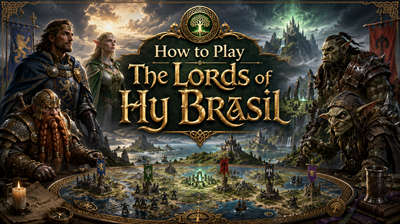
Enter the legendary realm of Hy Brasil, choose your race,
gather your Lords, and begin your struggle for the High Kingship. |
||||||||||||||||||||||||||||||||||||
Lords of Hy Brasil Theme |
||||||||||||||||||||||||||||||||||||
|
||||||||||||||||||||||||||||||||||||
|
||||||||||||||||||||||||||||||||||||
|
||||||||||||||||||||||||||||||||||||
|
||||||||||||||||||||||||||||||||||||
|
||||||||||||||||||||||||||||||||||||
Game Brief |
Lords of Hy Brasil |
|||||||||||||||||||||||||||||||||||
Lords of Hy BrasilGrand Strategy. Ancient Houses. Living Worlds. Lords of Hy Brasil is a long-form Celtic grand strategy game of war, diplomacy, trade, betrayal, and kingship. Set upon the mist-shrouded island realm of Hy Brasil, players take command of ancient noble houses competing for power in a world of castles, armies with Lord commanders, sacred lands, rival bloodlines, and uneasy alliances. Every realm must gather resources, raise warriors, forge weapons and armour, negotiate with neighbours, and decide when words have failed and war must begin. This is not a game of quick victories. It is a game of patience, planning, and political will. Players issue orders, move armies, build strength, form alliances, arrange trade, and submit their turns into an evolving campaign world. When the turn is processed, battles are resolved, borders shift, armies march, castles rise or fall, and the history of the island is written by the actions of its players. Victory may come through conquest, diplomacy, alliance, wealth, sacred authority, or final campaign score. In Lords of Hy Brasil, every lord has a choice: bend the knee, forge a kingdom, or claim the crown. Key FeaturesLong-Form Grand Campaigns Diplomacy and Betrayal Castles, Armies, and Resources Multiple Peoples of War Turn-Based Server Campaigns A Living Celtic-Inspired World |
|
|||||||||||||||||||||||||||||||||||
 |
 |
|||||||||||||||||||||||||||||||||||
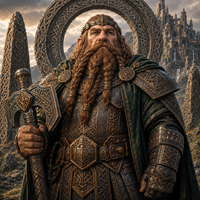
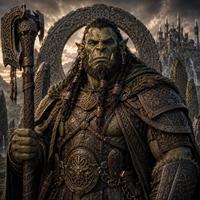
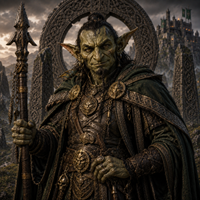
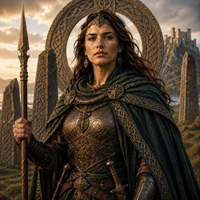
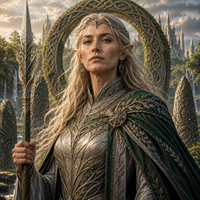
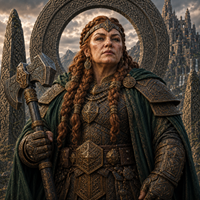
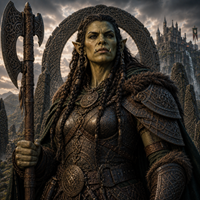
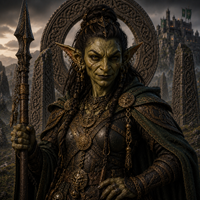
The Diplomacy Forum
War is fought with armies. Kingdoms are won with words. In the campaign worlds of Lords of Hy Brasil, the Tir Na nOg Games Studio website is planned to act as a companion hub for player diplomacy, world news, alliance politics, and campaign discussion. The forum will give players a place to continue the political side of the game beyond the battlefield. Lords will be able to issue public statements, announce alliances, threaten rivals, negotiate peace, discuss trade, declare wars, and record the great events of each campaign world. Each official campaign may eventually have its own dedicated forum area, allowing players to follow the unfolding history of their world as rival houses rise, kingdoms collapse, treaties are broken, and new powers emerge.
Planned forum sections may include:
Public Diplomacy
Declarations of war, royal speeches, threats, peace offers, and political announcements.
Trade and Bargaining
Offers of resources, troops, weapons, armour, land access, and strategic agreements.
Alliance Halls
Private or semi-private areas for allied players to coordinate strategy and discuss campaign plans.
World Chronicles
Turn reports, major battles, shifting borders, fallen castles, new rulers, and historic campaign events.
Player Discussion
General talk, rules questions, strategy advice, feedback, and community conversation.
The aim is to make each campaign feel like a living world, where players are not only moving armies on a map, but also shaping the story of Hy Brasil through diplomacy, negotiation, rivalry, and betrayal.
At launch, the website will provide information, artwork, news, and development updates. The full diplomacy forum and campaign hub are planned as future features as the multiplayer systems of Lords of Hy Brasil develop.

Lords of Hy Brasil
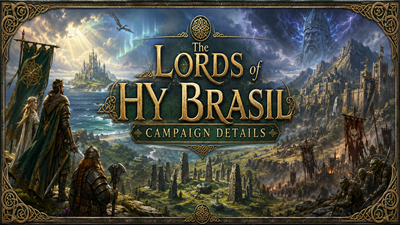
Basic Campaign Details
Welcome to Lords of Hy Brasil, an epic turn-based multiplayer strategy RPG set upon the mythical island realm of Hy Brasil — a land of ancient castles, rival kings, sacred gods, ambitious warlords, merchant guilds, religious orders, monstrous allies, and endless player-driven intrigue.
In Lords of Hy Brasil, you do not simply control an army.
You rule a realm.
You begin as a noble lord with castles to defend, warriors to command, resources to manage, allies to win, enemies to fear, gods to honour, and ambitions that may one day place a crown upon your head.
Every campaign becomes its own living saga. One player may rise as a brutal conqueror. Another may become a wealthy merchant lord. Another may unite the faithful and become High Priest of a powerful god. Another may use diplomacy, threats, trade, betrayal, and military force to be recognised as King of Hy Brasil.
The campaign is designed to create legends.
Your legend begins with four lords.
A Realm of Lords, Castles and Ambition
At the beginning of the campaign, each player starts with four lords.
These lords are your noble commanders, governors, war leaders, diplomats, and agents of power across the island. Each lord may lead troops, hold territory, defend castles, march to war, and help extend your influence across the realm.
As your power grows, you may gain more castles. For every additional castle you control, you may create one additional lord if you desire.
This gives every player an important strategic choice.
You may choose to command:
Many lords with smaller armies, allowing you to spread across the map, defend multiple castles, scout, raid, trade, and respond quickly to threats.
Or you may choose:
Fewer lords with larger armies, creating powerful warbands capable of crushing enemy forces, taking castles, and dominating the battlefield.
A player with many lords may be flexible and difficult to pin down. A player with fewer lords may be slower, but far more dangerous in direct battle.
This choice will shape your entire campaign.
Will your realm become a scattered network of ambitious nobles, each holding a small army?
Or will you forge a handful of mighty warlords, each commanding a terrifying host?
The decision is yours.
Lord Classes, Experience and Advancement
Every lord in Lords of Hy Brasil is more than a name on a campaign map. Each lord is a character with a role, class, experience level, rank, and future path.
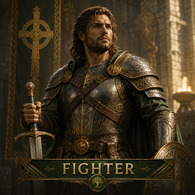
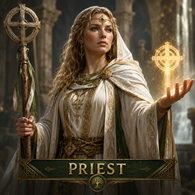
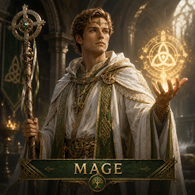
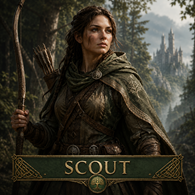
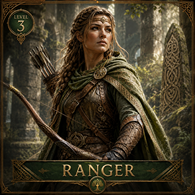
At the beginning of the game, players command a small number of lords, each of whom may belong to a different class. These classes help define what that lord is best suited for, whether they are leading armies, serving the gods, scouting enemy lands, commanding magical forces, or operating in the shadows.
The main lord classes include:
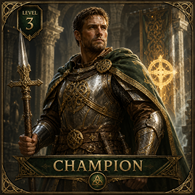
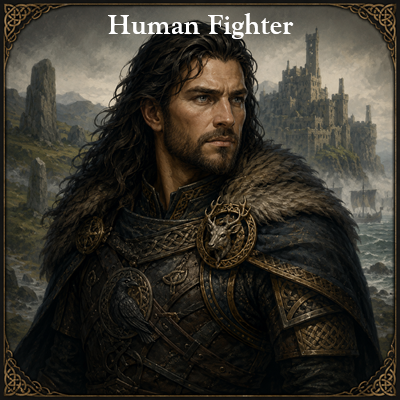
Fighter
A military leader suited for direct battle, army command, castle defence, raids, and conquest.
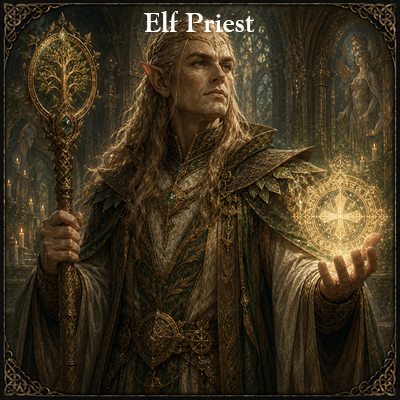
Priest
A religious figure connected to temples, gods, divine favour, blessings, curses, and spiritual authority.
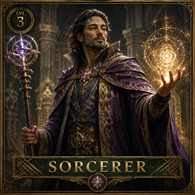
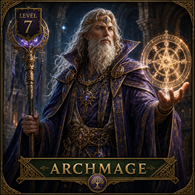
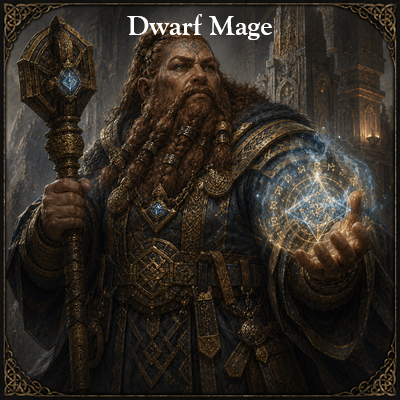
Mage
A wielder of mystical forces, useful for magical support, battlefield effects, research, rituals, and supernatural influence.
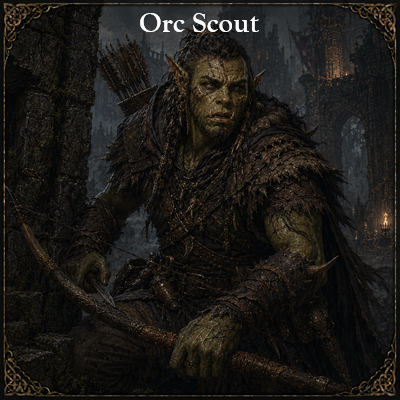
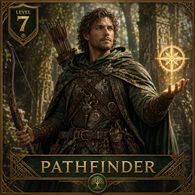
Scout
A fast-moving explorer and watchful agent, skilled at discovering territory, tracking enemy movements, locating castles, and gathering information.
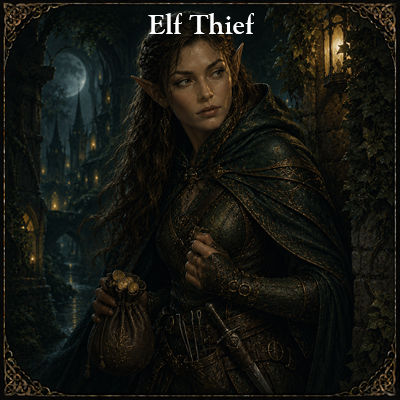
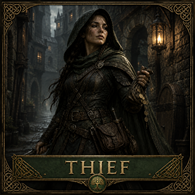
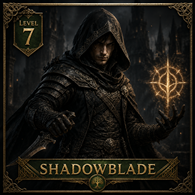
Thief
A shadowy operator suited for infiltration, sabotage, theft, smuggling, spying, and darker forms of political warfare.
As lords take part in the campaign, they gain experience. Experience may come from battle, successful missions, religious actions, scouting, trade missions, magical work, espionage, or surviving important events.
When a lord gains enough experience, they level up. Higher-level lords become more effective and may unlock new abilities, stronger bonuses, and advanced ranks.
At key levels, a lord may choose to remain within their original class or advance into a more specialised role.
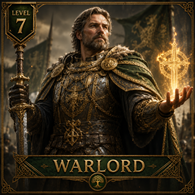
For example, a Level 3 Fighter may choose to remain a Fighter, becoming stronger and more reliable in general warfare, or advance into a new rank such as War Chief, gaining greater command power over armies and battlefield leadership.
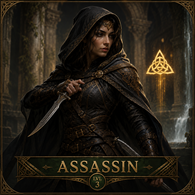
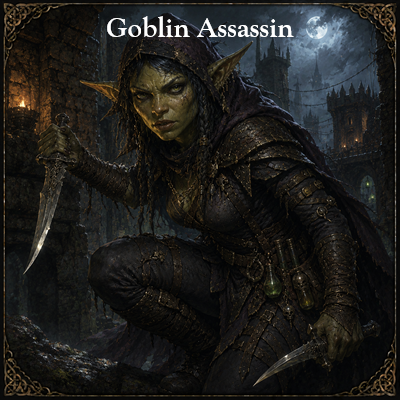
A Thief may continue as a skilled Thief, improving their ability to steal, spy, and infiltrate, or advance into a darker path such as Assassin, becoming deadly against enemy lords and high-value targets.
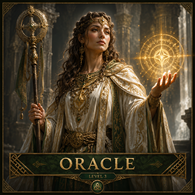
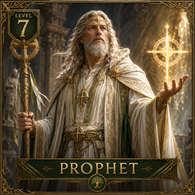
A Priest may remain a Priest, deepening their temple work and divine connection, or rise toward higher religious authority, possibly becoming a powerful candidate for High Priest.
A Mage may continue as a general Mage or specialise into a more focused magical path, such as battle magic, ritual magic, protection, curses, or prophecy.
A Scout may remain a Scout or advance into a master of reconnaissance, pathfinding, ambush detection, and long-distance movement.
This system allows each player to shape their noble house in different ways.
One realm may be ruled by mighty war chiefs and battle-hardened fighters.
Another may rely on priests and divine favour.
Another may use mages and scouts to control information and supernatural power.
Another may become feared for thieves, assassins, spies, and secret killings.
Your lords are not disposable units. They are the rising heroes, villains, commanders, prophets, traitors, and legends of your campaign.
The Turn-Based Campaign
Lords of Hy Brasil is designed as an asynchronous turn-based strategy campaign.
Players do not need to be online at the same time. Each player logs into the client, reviews their realm, reads reports, sends messages, plans orders, manages castles, moves armies, trades goods, votes in elections, and submits their turn.
Once the turn is processed, the world moves forward.
Armies march.
Battles are fought.
Castles produce resources.
Merchants deliver goods.
Priests call upon the gods.
Messages arrive.
Alliances form.
Betrayals unfold.
Kings rise and fall.
Every turn becomes another chapter in the history of Hy Brasil.
Rule Your Castles
Castles are the foundation of your power.
Each castle may contain population, troops, resources, buildings, temples, armouries, markets, walls, and stores of food, weapons and armour. The more castles you control, the more powerful your realm becomes — but the harder it becomes to defend.
Castles allow you to:
- Produce food, wood, stone, iron and gold
- Train warriors
- Build weapons and armour
- Store resources
- Defend territory
- Worship the gods
- Trade through the Guild of Merchants
- Support your growing population
- Create additional lords
A castle is more than a base. It is a political centre, military stronghold, economic engine, and spiritual seat of power.
Lose your castles, and your kingdom begins to collapse.
Defend them well.
Command Armies of Many Races
The armies of Hy Brasil are made up of several races, each with their own strengths and weaknesses.
You may command:
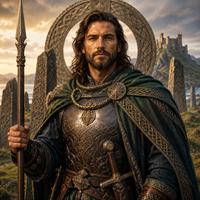
Humans — balanced troops suited to general warfare.
Orcs — fierce warriors with strong attack power.
Goblins — numerous, cheap, and useful in large hordes.
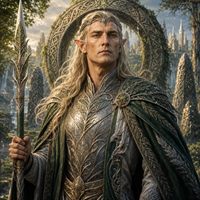
Elves — skilled and disciplined, ideal for specialist roles.
Dwarves — tough defenders and masters of armour and endurance.
Your armies are not simply numbers on a screen. Their race composition, equipment, morale, weapons, armour, and leadership all matter.
An army of poorly equipped troops may break against a smaller but better armed force. A huge horde may overwhelm an elite warband through sheer numbers. A well-armoured army may survive battles that would destroy weaker forces.
War in Hy Brasil is about preparation as much as courage.
Weapons, Armour and the Cost of War
Every soldier needs equipment.
Weapons increase the fighting strength of your armies. Armour improves their ability to survive. If you send thousands of troops into battle without enough weapons or armour, you may pay the price in blood.
An army with enough weapons for every soldier will fight far better than a half-equipped force. Armour can be stockpiled in greater quantities to improve the overall protection of your troops, up to elite levels.
This means the strongest realm is not always the one with the most soldiers.
The strongest realm may be the one with the best economy, the finest armouries, the richest mines, the safest trade routes, and the patience to prepare before launching a campaign.
In Hy Brasil, wars are won long before the first sword is drawn.
Manage Resources and Population
Your realm depends on resources.
You must manage:
Gold for trade, wages, construction and diplomacy.
Food to feed your people and armies.
Wood for buildings, weapons and trade.
Stone for walls, castles and temples.
Iron for weapons and armour.
Weapons to arm your troops.
Armour to protect your warriors.
Population also matters. Your castles can grow over time, producing new humans, orcs, goblins, elves and dwarves depending on who lives within your realm.
Different races may grow at different rates. Goblins may multiply quickly. Elves may grow slowly but offer quality over quantity. Humans may provide balance. Orcs and dwarves may give military strength in different ways.
A wise ruler must think not only about the next battle, but about the next generation.
Trade Through the Guild of Merchants
The Guild of Merchants is one of the great powers of Hy Brasil.
Neutral, ancient, wealthy and feared, the Guild exists to keep trade flowing across the island. It cannot be attacked by players and acts as the trusted trading network of the campaign.
Through the Guild of Merchants screen, players may place goods and troops onto the public market.
A player might offer:
- 100 trained orcs for 2,000 gold
- 500 wood for 300 gold
- 200 weapons for 1,000 gold
- 1,000 food for emergency winter supplies
- Armour, iron, stone, or other vital goods
Other players may then buy from these listings, even if they have not yet met the seller on the battlefield.
This means isolated players can still take part in the wider economy. A lord in a quiet region can buy weapons from a distant merchant realm. A warlord can sell surplus troops. A rich castle-builder can buy stone. A starving kingdom can desperately search the market for food.
The Guild provides safety, but not charity.
Guild trade may include fees, delivery times, market rules, and limits. Direct player trade may still offer better prices, secret deals, and diplomatic advantages.
The Guild market gives every player access to opportunity.
Diplomacy gives them access to power.
Diplomacy, Alliances and Betrayal
The campaign is not won by sword alone.
Players can send messages, make threats, offer alliances, negotiate trade deals, recognise kings, support High Priest candidates, demand tribute, or secretly plot against their enemies.
Diplomacy may include:
- Peace treaties
- Trade agreements
- Military alliances
- Religious voting deals
- Recognition of kingship
- Threats and ultimatums
- Secret betrayals
- Joint invasions
- Defensive pacts
- Bribes and promises
A player may offer protection in exchange for tribute. A weak lord may survive by becoming useful to a greater power. A merchant may supply weapons to both sides of a war. A priest may promise divine blessings in exchange for votes.
The strongest player is not always the one with the biggest army.
Sometimes the strongest player is the one everyone needs.
The Struggle for Kingship
In Hy Brasil, any lord may dream of becoming King.
Kingship is not simply claimed. It must be recognised.
Players may choose to recognise another player as King, either through loyalty, fear, diplomacy, bribery, religion, or military necessity. A player with enough recognition may rise above the other lords and become a crowned ruler.
But kingship is dangerous.
A King gains prestige and influence, but also becomes the greatest target in the realm. Rival claimants may rise. Former allies may turn. Religious leaders may oppose the crown. Merchant powers may cut supply lines. Border lords may rebel.
A crown is not the end of the campaign.
It is the beginning of a greater war.
Gods of Hy Brasil
The gods are real powers within the campaign.
Players may worship different gods, build temples, gain divine favour, follow sacred laws, and take part in religious politics.
The divine powers of Hy Brasil include good gods, neutral gods, and dark demi-gods, each with their own character, desires, followers, blessings and punishments.
Known divine powers include:
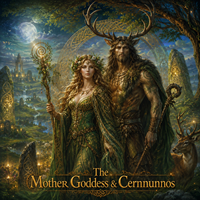
The Mother Goddess
A great source of life, fertility, protection and ancient wisdom.
Cernunnos
A wild and powerful god of nature, beasts, forests and primal strength.
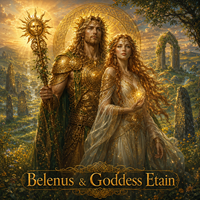
Belenus
A radiant god associated with light, war, courage and victory.
Etain
A goddess of beauty, grace, renewal, inspiration and sacred mystery.
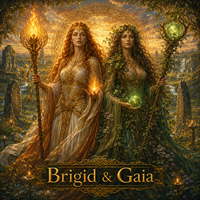
Gaia
A neutral power of the living earth, balance, endurance and natural law.
Brigid
A neutral goddess of flame, craft, healing, poetry, wisdom and sacred fire.
Other darker powers may seek conquest, terror, corruption, vengeance, sacrifice or destruction.
Religion is not just story background. It is a political and military force.
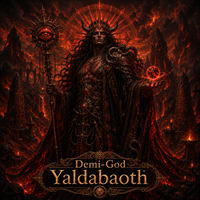
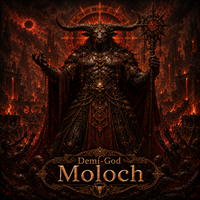
The Dark Demi-Gods: Yaldabaoth and Moloch
Not all divine powers in Hy Brasil seek balance, wisdom, life, or protection. Some powers hunger for conquest, hatred, revenge, domination, and ruin.
Among the darkest powers are two evil demi-gods: Yaldabaoth and Moloch.
Yaldabaoth — The Conquering Demi-God
Yaldabaoth is a demi-god of conquest, domination, pride, tyranny, and absolute rule.
His followers believe that the weak exist to be ruled, that mercy is a disease, and that the world should be brought under one iron will. To serve Yaldabaoth is to believe in empire without pity, victory without honour, and power without limit.
A lord who follows Yaldabaoth may be driven to conquer castles, crush rival kingdoms, enslave weaker realms, and force other players into submission. His religion appeals to warlords, tyrants, ambitious kings, and those who believe Hy Brasil should kneel beneath a single dark throne.
Possible blessings of Yaldabaoth may include:
- Greater attack power during invasions
- Stronger morale when conquering castles
- Fear effects against weaker enemies
- Bonuses for aggressive expansion
- Dark creatures sent to aid conquest
- Curses against rebellious vassals or rival claimants
But Yaldabaoth is not a gentle master. He may punish weakness, hesitation, defeat, and mercy. His followers may gain power quickly, but they may also become feared and hated by the rest of the realm.
To follow Yaldabaoth is to seek dominion.
Moloch — The Hate-Filled Demi-God
Moloch is a demi-god of hatred, vengeance, cruelty, sacrifice, bitterness, and burning rage.
He does not seek conquest for order or empire. He seeks suffering. His power is rooted in hatred so deep that it has become divine poison.
Moloch’s greatest hatred is reserved for Belenus, the radiant god who cast him down into hell. Ever since his fall, Moloch has burned with rage against Belenus and all who follow him. His followers may be commanded to persecute the faithful of Belenus, defile his temples, curse his priests, and destroy his champions wherever they are found.
A lord who follows Moloch does not merely wage war. They carry a grudge that can become holy hatred.
Possible powers of Moloch may include:
- Curses against followers of Belenus
- Fire, fear, or hatred-based battlefield effects
- Increased strength when fighting hated enemies
- Dark rituals requiring sacrifice
- Spreading terror through enemy populations
- Summoning monstrous servants such as giant spiders or other horrors
- Weakening enemy morale through dread and despair
Moloch is dangerous even to his own followers. His gifts may be powerful, but they may come at terrible cost. He rewards cruelty, revenge, and fanaticism, but may punish those who show compassion or refuse to act against his enemies.
To follow Moloch is to embrace hatred.
Evil Faiths in the Campaign
The evil demi-gods add a dangerous religious layer to the campaign.
A follower of Yaldabaoth may try to conquer the whole world.
A follower of Moloch may focus their hatred on the followers of Belenus.
This means evil religions do not all behave the same way. One seeks empire. The other seeks revenge.
Their High Priests may become terrifying figures in the campaign, able to bless dark armies, curse enemies, unleash horrors, and inspire religious wars.
Other players may unite against them, fear them, bargain with them, secretly support them, or use them as weapons against rival powers.
In Hy Brasil, faith can save a realm.
It can also destroy one.
The Good Gods of Hy Brasil
The good gods of Hy Brasil do not all represent the same kind of goodness. Some protect life. Some defend the wild. Some inspire war against darkness. Some guide beauty, renewal and hope.
Their followers may become healers, guardians, warriors, druids, temple-builders, defenders of the weak, or holy rulers. But even good faiths can create rivalry, pride, ambition and conflict. A lord may worship a good god and still seek power, kingship, revenge or conquest in the name of righteousness.
The good gods bring light to Hy Brasil, but light can still cast a long shadow.
The Mother Goddess — The Great Source of Life
The Mother Goddess is one of the oldest and most sacred powers in Hy Brasil. She represents life, birth, fertility, protection, compassion, the land, the hearth, and the continuation of the people.
Her followers see her as the divine mother of the realm, the one who nourishes castles, families, crops, children, forests, animals and the future itself. To worship the Mother Goddess is to honour life and to protect the living world from those who would destroy it.
A lord who follows the Mother Goddess may become a guardian of their people, a builder of strong castles, a protector of villages, a keeper of food stores, and a defender of the weak.
Possible blessings of the Mother Goddess may include:
- Increased population growth
- Better harvests
- Protection against famine
- Healing after battle
- Improved castle stability
- Stronger loyalty among followers
- Resistance to plague, fear or despair
- Blessings for families, farms and settlements
Followers of the Mother Goddess may play as patient builders, protectors, defenders, healers and realm-makers. They may not always be the most aggressive players, but they can become extremely strong over time through population, food, stability and loyalty.
A realm blessed by the Mother Goddess may become hard to starve, hard to break, and hard to erase from the map.
To follow the Mother Goddess is to protect life.
Cernunnos — The Horned God of the Wild
Cernunnos is the god of forests, beasts, wild places, instinct, fertility, hunting, primal strength and the untamed world.
He is not soft, civilised or obedient. He is the deep forest, the stag in the mist, the wolf in the dark, the roots beneath the castle wall, and the old power that existed before kings drew borders upon the land.
His followers honour nature, animals, sacred groves, hunters, druids, wild warriors, forest spirits and the balance between life and death in the natural world.
A lord who follows Cernunnos may become a master of forests, ambushes, beasts, scouting, survival and wild warfare.
Possible blessings of Cernunnos may include:
- Improved movement through forests
- Stronger scouts and hunters
- Animal allies
- Better ambush chances
- Increased fertility and natural growth
- Forest defence bonuses
- Beast spirits aiding armies
- Protection of sacred groves
- Resistance to unnatural corruption
Followers of Cernunnos may play as mobile, wild and unpredictable powers. They may prefer forests, raids, scouting, ambushes, beast allies and defensive terrain rather than straight castle-to-castle warfare.
They may be excellent at controlling wild lands, striking from hidden places, and punishing enemies who enter sacred forests without respect.
To follow Cernunnos is to honour the wild.
Belenus — The Radiant God of Light and War
Belenus is a god of light, courage, victory, honour, fire, healing radiance and righteous war.
He is the shining spear against darkness, the war-banner in the dawn, the flame that drives back terror, and the god who once cast Moloch down into hell. His followers believe that darkness must not merely be resisted. It must be confronted.
Belenus is especially hated by Moloch, whose fall into hell created an eternal feud between their powers.
A lord who follows Belenus may become a holy warrior, champion of light, defender of temples, war leader, purifier of evil, or crusading king.
Possible blessings of Belenus may include:
- Increased army morale
- Stronger attack against evil followers
- Protection from fear and curses
- Fire or light-based battle blessings
- Healing light after battle
- Stronger temple defenders
- Holy war bonuses
- Griffins sent to aid the faithful
- Greater courage during sieges and major battles
Followers of Belenus may play as brave, aggressive defenders of the light. They may become powerful in war, especially against evil faiths. Their armies may be hard to frighten and strong when fighting dark powers.
However, followers of Belenus may also be drawn into holy wars, especially against the servants of Moloch. This can make them heroic, but also dangerous and uncompromising.
To follow Belenus is to carry the light into battle.
Etain — The Goddess of Beauty, Renewal and Sacred Mystery
Etain is a goddess of beauty, renewal, grace, inspiration, transformation, love, sovereignty, dream, mystery and spiritual rebirth.
She is not simply gentle beauty. She is the power of change, the soul renewed after suffering, the queenly presence that inspires loyalty, and the sacred mystery that draws mortals toward something higher.
Her followers may include poets, queens, diplomats, mystics, healers, artists, lovers, seers, temple priestesses and those who believe power should be guided by grace rather than cruelty.
A lord who follows Etain may become a charismatic ruler, diplomatic power, spiritual reformer, cultural leader, or mysterious figure whose influence reaches further than armies alone.
Possible blessings of Etain may include:
- Improved diplomacy
- Greater loyalty from followers
- Better relations with allies
- Increased chance of peaceful agreements
- Inspiration bonuses for castles or temples
- Renewal after defeat
- Protection from despair
- Increased prestige
- Dream omens or prophetic warnings
- Healing of damaged morale
Followers of Etain may play as diplomats, alliance-builders, cultural leaders and spiritual influencers. They may use charm, prestige, loyalty and renewal to survive where harsher powers fail.
A realm blessed by Etain may be difficult to turn against, because its people and allies feel inspired by its beauty, grace and purpose.
To follow Etain is to seek renewal through grace.
The Neutral Gods of Hy Brasil
The neutral gods of Hy Brasil are not evil, but they do not always serve the ambitions of mortal lords. They stand for deeper forces: balance, earth, craft, wisdom, fire, healing, law, endurance and the natural order of things.
Their followers may become mediators, keepers of sacred knowledge, builders, healers, judges, smiths, druids, poets or guardians of balance.
Neutral gods may bless peace, craft, trade, survival, wisdom and restraint. But they may also punish extremes. A lord who grows too cruel, too greedy, too destructive or too proud may find the neutral powers turning against them.
They are not weak gods.
They are the powers that endure after kings have fallen.
Gaia — The Living Earth
Gaia is the living earth itself: soil, stone, root, mountain, river, field, cave, seed and deep memory.
She is ancient, patient and difficult to anger, but terrible when truly wounded. Gaia does not belong to any king. Kingdoms rise upon her back and vanish into her soil. She watches, endures, feeds and remembers.
Her followers honour the land, balance, endurance, farming, stonework, sacred places, natural law and the long survival of the world.
A lord who follows Gaia may become a builder, defender, farmer, keeper of sacred land, protector of balance, or ruler of a stable and enduring realm.
Possible blessings of Gaia may include:
- Improved food production
- Stronger stone and castle defences
- Better resource stability
- Protection against famine
- Increased endurance during sieges
- Stronger connection to sacred sites
- Resistance to environmental damage
- Reduced harm from disasters
- Balance effects against extreme powers
Followers of Gaia may play as patient, defensive and stable rulers. They may build strong castles, feed large populations, endure sieges, and survive wars that destroy more reckless kingdoms.
Gaia’s followers may not always expand quickly, but they can become very difficult to remove once rooted in the land.
They may also act as guardians of balance, opposing those who damage the realm too greatly.
To follow Gaia is to stand with the earth.
Brigid — The Goddess of Sacred Flame, Craft and Wisdom
Brigid is the goddess of sacred fire, healing, smithcraft, poetry, wisdom, inspiration, learning, protection and the flame of civilisation.
Her fire is not only destructive. It is the forge-fire that shapes iron, the hearth-fire that warms a home, the healing flame that purifies sickness, the poetic spark that awakens the mind, and the sacred light of knowledge passed from one generation to the next.
Her followers may include smiths, healers, poets, priests, scholars, warriors, armourers, builders and keepers of sacred flame.
A lord who follows Brigid may become a master of craft, healing, wisdom, diplomacy, weapon-making, armour production and cultural strength.
Possible blessings of Brigid may include:
- Improved weapon production
- Improved armour production
- Better healing after battle
- Stronger temples and sacred fires
- Increased wisdom or research bonuses
- Improved morale through poetry and inspiration
- Better relations with craftsmen and guilds
- Protection from disease
- Purifying curses or corruption
- Bonuses to skilled workers
Followers of Brigid may play as skilled builders, smith-lords, healers, wise rulers and supporters of strong infrastructure. They may become powerful by producing superior weapons and armour, supporting allies, healing losses, and keeping their realm well organised.
A follower of Brigid may not need to conquer quickly. They can grow through craft, wisdom, trade and preparation, then arm themselves and their allies when war finally comes.
To follow Brigid is to keep the sacred flame alive.
Neutral Faiths in the Campaign
The neutral gods offer a different kind of power from the good gods and evil demi-gods.
They are not usually driven by conquest, revenge or holy crusade. They are concerned with balance, survival, wisdom, craft, land, healing and endurance.
A follower of Gaia may become almost impossible to uproot.
A follower of Brigid may become a master of weapons, armour, healing and sacred craft.
Neutral faiths may also become important diplomatic bridges between rival powers. A Gaia follower may mediate between warring kingdoms. A Brigid follower may supply weapons to allies, heal the wounded, or keep civilisation alive while others burn the world down.
But neutrality does not mean passivity.
If the land is abused, Gaia may answer.
If sacred knowledge is corrupted, Brigid may burn away the rot.
The neutral gods may not seek the crown, but many kings will need their blessing.
High Priests and Religious Power
Each god may have a High Priest.
The High Priest is elected by the players who follow that god. The player with the most votes becomes the religious leader of that faith.
This creates another layer of diplomacy and conflict.
Players may compete to become High Priest. They may bribe followers, promise blessings, threaten rivals, or form religious alliances. A faith may split into factions. A High Priest may become loved, feared, obeyed, or overthrown at the next election.
The High Priest may gain access to divine powers such as:
- Sending boons to followers
- Blessing allied armies
- Cursing enemies
- Summoning sacred creatures
- Protecting castles
- Improving harvests
- Strengthening morale
- Calling holy wars
- Punishing enemies of the faith
A good god may send griffins to aid the faithful.
An evil demi-god may unleash giant spiders upon enemies.
A neutral god may restore balance, protect sacred sites, strengthen trade, or punish those who grow too powerful.
The High Priest system means players are not only fighting for land.
They are fighting for the soul of Hy Brasil.
King and High Priest
One of the most powerful possibilities in the campaign is for a player to become both King and High Priest.
Such a lord would hold political authority and religious power at the same time.
They could command armies, influence diplomacy, call upon divine favour, reward loyal followers, punish enemies, and shape the destiny of the realm.
But such power creates fear.
Other players may unite to stop them. Rival gods may oppose them. Merchant powers may refuse to support them. Vassals may betray them before they become unstoppable.
To become King is dangerous.
To become High Priest is dangerous.
To become both is to become legendary.
Player-Driven Stories
The true story of Lords of Hy Brasil will be written by the players.
One campaign might tell the tale of a noble King betrayed by his closest ally.
Another might become a religious war between the followers of Belenus and the servants of a dark demi-god.
Another might see a merchant lord grow rich by selling weapons to every side.
Another might see a small castle realm survive through cunning diplomacy while larger powers destroy each other.
Another might see a High Priest summon divine creatures at the decisive moment of a great war.
Every alliance, betrayal, market deal, battle, vote, curse, boon, and invasion becomes part of the history of that campaign.
The game is designed to create stories players will remember.
The Campaign Experience
A full campaign of Lords of Hy Brasil is intended to include:
- Castle management
- Resource production
- Population growth
- Army creation
- Racial troop differences
- Weapons and armour
- Turn-based battles
- Casualty reports
- Player diplomacy
- Alliances
- Trade agreements
- Public Guild market
- Kingship recognition
- Gods and temples
- High Priest elections
- Divine boons and curses
- Sacred creatures
- Religious wars
- Political betrayal
- Long-term realm building
The campaign is not only about winning battles.
It is about surviving the world.
Why Four Starting Lords?
Starting with four lords gives every player immediate strategic choice.
Instead of beginning as a single commander, you begin as a small noble house with several leaders. These lords allow you to divide your attention across your realm.
You might use one lord to defend your home castle, another to lead an army, another to manage expansion, and another to scout, trade, or support an ally.
As you conquer or build more castles, you may create more lords. For every additional castle you control, you may create one additional lord if you wish.
This creates a natural link between territory and leadership.
A larger realm can support more lords, but more lords also means your armies may be divided. A smaller number of lords may command larger forces, but may struggle to defend scattered territory.
This is one of the central strategic decisions in the game:
Do you want many banners across the map?
Or a few mighty hosts that strike with overwhelming force?
A Living World of Power
At its heart, Lords of Hy Brasil is a game about power.
Military power.
Economic power.
Religious power.
Diplomatic power.
Political power.
Mythic power.
Some players will seek the crown.
Some will seek wealth.
Some will seek divine authority.
Some will seek revenge.
Some will seek survival.
Some will pretend loyalty while sharpening the knife.
The island of Hy Brasil will belong not to the strongest alone, but to the clever, the ruthless, the faithful, the patient, and the bold.
Raise your banners.
Arm your warriors.
Honour your gods.
Watch your allies.
Fear your enemies.
Trust the Guild, but count your gold.
Seek the crown, but beware the cost.
The Lords of Hy Brasil are rising.
The campaign awaits.