Home |
Games |
About |
News |
Forum |
|
||||||||||||||||
The Realm of Hy Brasil |
||||||||||||||||
|
||||||||||||||||
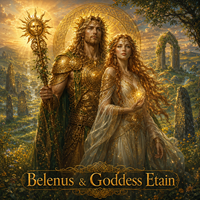
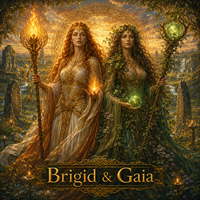
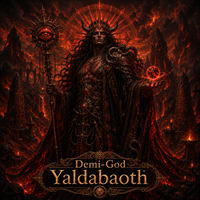
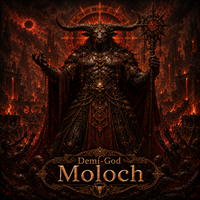
The Demi-God Moloch Theme
The Demi-God Moloch
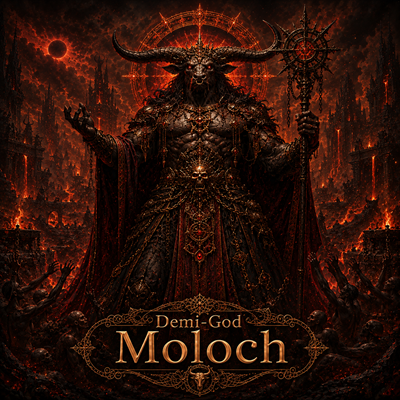
Moloch
Moloch is one of the two evil demi-gods who threaten the Earth Realm. He is the Lord of the Furnace, the Devourer of Offerings, the Bull of the Abyss, the Red Tyrant, the Flame Beneath the World, and the Father of Screams.
If Yaldabaoth is the cold demi-god of false order, law, conquest, and spiritual enslavement, then Moloch is the burning demi-god of hatred, blood tribute, terror, cruelty, revenge, and domination through fear.
He does not wish to rule the Earth Realm with beauty, wisdom, mercy, or balance. He wishes to break it.
Moloch believes that power is proven through suffering. He teaches his followers that mercy is weakness, pity is disease, and love is a chain placed upon the strong by the weak. To him, the world is a furnace, and all living things are fuel.
His worshippers do not merely conquer. They burn, sacrifice, enslave, and terrorise. Where Moloch’s armies march, villages are emptied, temples are desecrated, sacred groves are set alight, and captives are dragged before his altars.
He is not the false golden sun of Yaldabaoth.
He is the fire beneath the ground.
He is the smoke over ruined kingdoms.
He is the scream before the blade falls.
He is hatred made divine.
The Fall of Moloch
In the ancient lore of Hy Brasil, Moloch was not always bound to the pits of hell. In the earliest age of the Earth Realm, he was a mighty demi-god of war, fire, strength, and conquest. He was never gentle, but there was once a time when his followers claimed he represented martial discipline, endurance, and victory through sacrifice.
That claim did not survive his corruption.
Moloch became drunk on the pain of mortals. He began to demand greater offerings, harsher rituals, and crueler victories. He no longer wished for warriors to sacrifice comfort or pride. He demanded blood. Then he demanded prisoners. Then he demanded children. Then he demanded entire cities.
The race of gods saw what he was becoming, but it was Belenus who finally stood against him.
Belenus, the radiant god of light, noble war, protection, honour, and righteous kingship, confronted Moloch when the Red Tyrant attempted to turn a sacred city into a furnace-temple. Their battle shook the Earth Realm. Rivers boiled. Shields melted. The sky turned red. Armies fled from the heat of their clash.
Moloch believed himself unstoppable. He believed fear would break even the gods.
But Belenus did not break.
With spear of light, solar fire, and the judgement of the divine race, Belenus cast Moloch down into the deepest pits beneath the Earth Realm. There, in the darkness below stone, root, and bone, Moloch was chained in a furnace-prison of his own making.
But Moloch did not repent.
He burned.
He hated.
He waited.
And from the pits of hell, his whispers still rise.
Hatred of Belenus
Moloch’s hatred of Belenus is endless. It is not mere rivalry. It is obsession.
He blames Belenus for his fall, his imprisonment, his humiliation, and the breaking of his first great cult. Every flame lit in Moloch’s temples carries that hatred. Every sacrifice made in his name is said to strengthen his vow of revenge.
To Moloch, Belenus is the thief of his throne, the bright coward, the golden jailer, the god who dared deny him his rightful dominion.
Moloch’s followers are taught that Belenus is the enemy above all others. His temples must be defiled. His priests must be hunted. His champions must be broken publicly, so that all may see the weakness of light before the furnace.
Yet beneath Moloch’s hatred lies fear.
Belenus defeated him once.
Belenus proved that fire without honour becomes hellfire, and war without justice becomes butchery.
That truth burns Moloch more deeply than any chain.
Moloch and the Mother Goddess
Moloch hates the Mother Goddess almost as much as he hates Belenus, but his hatred of her is different.
Belenus represents the force that cast him down.
The Mother Goddess represents the force that denies him meaning.
She is life, birth, mercy, fertility, healing, compassion, harvest, motherhood, protection, and the sacred bond between land and people. Everything she blesses, Moloch wishes to corrupt. Everything she protects, he wishes to consume.
To Moloch, the Mother Goddess is the great weakness at the heart of the world. He despises the love between parent and child. He despises the farmer who plants instead of conquers. He despises the healer who saves the wounded. He despises the priestess who shelters the frightened. He despises mercy because mercy interrupts the furnace.
And yet, he fears her.
He fears her because life always returns.
He may burn a field, but seeds may sleep beneath the ash.
He may destroy a village, but survivors may rebuild.
He may slaughter armies, but mothers may raise new generations who remember.
He may poison the land, but the Mother Goddess can call green life from ruined soil if her followers remain faithful.
Moloch can devour bodies, but he cannot easily devour hope.
That is why his cults are especially cruel toward the Mother Goddess and her priestesses. In lands conquered by Moloch, sacred wells are filled with ash, midwives are persecuted, healing houses are destroyed, and harvest rites are replaced with furnace rites. His followers seek to break the people’s belief that life will return.
They try to teach the world that only fire is eternal.
The Mother Goddess teaches otherwise.
Moloch and Cernunnos
Moloch has a savage hatred for Cernunnos as well. Cernunnos is wild strength, primal courage, beasts, forests, hunters, and the old law of survival. Moloch respects strength, but only when strength serves domination. Cernunnos teaches strength in balance with nature. Moloch teaches strength through cruelty and terror.
To Moloch, the forest is fuel.
To Cernunnos, the forest is sacred.
To Moloch, beasts are things to slaughter, chain, or corrupt.
To Cernunnos, beasts are kin of the wild world.
To Moloch, the hunt is only a rehearsal for murder.
To Cernunnos, the hunt is a sacred exchange between life and death.
Cernunnos’ followers are among the fiercest enemies of Moloch’s cults. They strike from forests, hills, and hidden valleys, attacking supply lines, freeing captives, and destroying furnace-altars before they can be fully awakened. Moloch despises them because they do not easily submit to fear.
A village may surrender to Yaldabaoth’s laws.
A noble may kneel before the Iron Crown.
But the followers of Cernunnos often vanish into the wild and return with arrows, axes, wolves, and vengeance.
Moloch hates what he cannot terrify.
Moloch and Yaldabaoth
Moloch and Yaldabaoth are both evil demi-gods, but they are not brothers in trust. Their alliance, when it exists, is built on usefulness rather than loyalty.
Yaldabaoth seeks domination through law, hierarchy, obedience, surveillance, and empire. He wants a world ruled by one throne, one doctrine, and one supreme will. His cruelty is cold, organised, and administrative.
Moloch seeks domination through fear, sacrifice, fire, conquest, and the destruction of hope. His cruelty is hot, furious, and openly monstrous.
Yaldabaoth considers Moloch a dangerous brute.
Moloch considers Yaldabaoth a scheming coward hiding behind parchment, priests, and courts.
Yet together they can become a nightmare for the Earth Realm. Yaldabaoth can weaken a kingdom through law, spies, corruption, and false promises. Moloch can then arrive with fire and terror to crush what remains. Yaldabaoth builds the prison. Moloch fills the furnace.
Still, neither truly trusts the other.
Yaldabaoth wants obedient subjects.
Moloch wants offerings.
Yaldabaoth wants an empire that lasts forever.
Moloch would rather burn the world than allow another power to command him.
Their followers may cooperate in war, but the alliance is always unstable. A clever ruler may turn them against each other. A foolish ruler may be consumed by both.
The Cults of Moloch
Moloch’s followers are not one people or one race. His cults attract the cruel, the desperate, the ambitious, the wounded, and the hateful. Some come to him seeking power. Some seek revenge. Some believe terror is the only true law of the world. Others are broken by war and become servants of the fire because they can no longer imagine peace.
His armies may include evil humans, brutal orc warlords, goblin raiders, dark elf assassins, corrupted priests, slave-drivers, and fire-worshipping fanatics. Moloch does not care what race serves him, so long as they bring fear, blood, and obedience to his altars.
The evil humans who follow him often become tyrants, executioners, inquisitors of fire, and war-priests.
The orcs who serve him may become furnace-warriors, scarred with brands and trained to revel in terror.
The goblins may act as raiders, tunnel-creepers, saboteurs, corpse-looters, and kidnappers for sacrifice.
The dark elves may serve as night-blades, poisoners, temple killers, and silent hunters of priests and priestesses.
Moloch welcomes all who are willing to burn the world for power.
But he loves none of them.
To Moloch, even his followers are fuel.
What Moloch Expects of His Followers
Moloch demands strength, cruelty, conquest, sacrifice, and absolute devotion. He does not care for gentle prayers or beautiful temples unless they are built from the spoils of war. He is not impressed by kindness, learning, balance, or mercy.
His followers are expected to:
Conquer weaker realms through fear and violence.
Offer tribute in blood, gold, prisoners, and burnt offerings.
Destroy the temples of Belenus wherever possible.
Defile shrines of the Mother Goddess.
Burn sacred groves and break the power of Cernunnos.
Enslave captives and use them to fuel the war machine.
Rule through terror rather than consent.
Punish weakness harshly.
Reward brutal victories.
Keep the furnace-altars burning.
Spread hatred against the good gods.
Never forgive Belenus or his followers.
Moloch’s religion is one of domination and revenge. A ruler who follows him may gain terrifying power, but that power demands constant feeding. Peace makes Moloch restless. Mercy angers him. Long periods without conquest may be seen as weakness.
His followers must keep the fire alive.
Temples and Symbols
The temples of Moloch are not places of comfort or wisdom. They are furnace-halls, fortress-shrines, execution yards, volcanic pits, iron towers, and underground chambers where red light burns through smoke and ash.
His sacred places are often built near volcanoes, old battlefields, ruined cities, slave mines, or places where terrible massacres occurred. His priests believe suffering stains the land, making it easier for Moloch to reach upward from the pits.
His symbols may include:
The Burning Bull.
The Furnace Gate.
The Red Crown.
The Blackened Horns.
The Chain in Flame.
The Pit Beneath the Throne.
The Ashen Sun.
His priests wear iron masks, horned helms, red robes, blackened armour, or scorched hides. Some brand themselves with his mark. Others replace mercy with ritual cruelty until they become little more than mouths for his hatred.
His temples are designed to frighten. The sound of chains, drums, chanting, and furnace-fire echoes through them day and night. Captives who see such temples often understand that they have not been taken merely by an army.
They have been taken by a god who hungers.
Armies of the Furnace
Moloch’s armies are terrifying because they do not fight only to win territory. They fight to break the spirit of their enemies. Their banners are red, black, and bronze. Their armour is often scorched, spiked, and marked with bull horns, furnace sigils, and chains.
His war-hosts often include brutal infantry, slave soldiers, berserkers, fire-priests, raiders, siege engineers, dark elf assassins, goblin sappers, and orc shock troops. They favour burning weapons, terror tactics, night raids, public executions, and the destruction of food supplies.
A Moloch army does not simply besiege a city.
It surrounds it with drums.
It displays captives.
It burns farms.
It sends whispers through the walls.
It offers survival in exchange for surrender, then demands tribute so terrible that survival becomes another kind of death.
His armies are not always disciplined like those of Yaldabaoth, but they are frightening, relentless, and difficult to demoralise. Many soldiers in Moloch’s service believe death in battle is better than disappointing the furnace.
Divine Blessings
Moloch grants powerful but dangerous blessings. His gifts suit aggressive players who want to terrorise enemies, crush resistance, and wage devastating wars. His power is not subtle, but it can be overwhelming.
Possible blessings in the game world may include:
Increased army attack power during aggressive wars.
Higher morale for brutal or fear-based armies.
Bonuses to raiding, pillaging, and siege assaults.
Increased intimidation against weaker realms.
Chance to cause enemy settlements to surrender through terror.
Improved combat strength for orc warbands, goblin raiders, dark elves, and evil human fanatics.
Fire-based siege bonuses.
Increased gold, slaves, or resources from conquered settlements.
Reduced fear among Moloch-aligned troops.
Stronger offensive power against followers of Belenus.
Chance to spread terror into neighbouring lands.
Moloch’s blessings are strongest when the player is attacking, burning, conquering, and sacrificing. He is not a god of stability. He is not a god of patient kingdom-building. He is a god of domination through terror.
Divine Wrath
Moloch is easily angered. He does not tolerate weakness, long peace, mercy toward enemies, failure to sacrifice, or refusal to pursue revenge. A ruler who follows Moloch but governs gently may be seen as unworthy.
His punishments may include:
Loss of morale among fanatical troops.
Increased unrest among brutal warbands.
Orc and goblin factions demanding war.
Fire-priests challenging the ruler’s authority.
Slave revolts caused by unstable terror rule.
Reduced loyalty if no wars are fought for too long.
Temples demanding harsher sacrifices.
Famine caused by reckless burning and destruction.
Corruption spreading through the ruler’s own court.
Assassination attempts by zealots who believe the ruler has grown weak.
In extreme cases, Moloch may turn his own followers against the player. A warlord, priest, or dark champion may rise, claiming that the ruler has failed the furnace and must be replaced by one more ruthless.
To serve Moloch is to stand close to fire.
The warmth may feel like power at first.
Then it begins to burn.
Moloch in the Game
In Lords of Hy Brasil, Moloch represents the path of hatred, terror, sacrifice, and destructive conquest. His religion is ideal for players who want to play as a feared warlord, dark conqueror, or brutal empire that expands through intimidation and violence.
A Moloch-aligned realm may be terrifying in war. Its armies may strike harder, raid more effectively, and break weaker enemies through fear. Orcs, goblins, evil humans, and dark elves may find natural places within his armies, especially when used for shock warfare, raiding, assassination, and siege terror.
But the cost is severe.
Moloch’s path makes diplomacy harder. Good-aligned faiths will hate and fear his followers. The Mother Goddess may curse lands that become too soaked in blood. Cernunnos may raise wild resistance from forests and hills. Belenus will become a divine enemy of the highest order.
Even within a Moloch realm, peace may become dangerous. His followers expect violence. His priests demand offerings. His warbands grow restless. His blessings may fade if the player stops conquering.
Moloch offers power, but never safety.
He offers victory, but never healing.
He offers fear, but never true loyalty.
A ruler who follows Moloch may become a nightmare to their enemies, but they must always remember the oldest warning spoken by the priestesses of the Mother Goddess:
The fire that burns your enemy today may demand your own kingdom tomorrow.
Final Lore Summary
Moloch is the hate-filled demi-god of furnace-fire, sacrifice, terror, and revenge. Cast into the pits of hell by Belenus, he now seeks to rise again through war, cruelty, and the devotion of those willing to burn the Earth Realm in his name.
He hates Belenus because Belenus defeated him.
He hates the Mother Goddess because she keeps life returning from ash.
He hates Cernunnos because the wild refuses to kneel.
He distrusts Yaldabaoth because the Iron Crown seeks control where Moloch seeks consumption.
He is not a ruler of peace, law, or balance.
He is the god of the scream, the chain, the furnace, and the battlefield after sunset.
To worship Moloch is to accept one truth above all others:
Everything burns.
And what does not burn must be made to kneel.