Home |
Games |
About |
News |
Forum |
|
||||||||||||||||
The Realm of Hy Brasil |
||||||||||||||||
|
||||||||||||||||
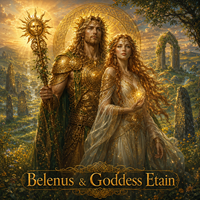
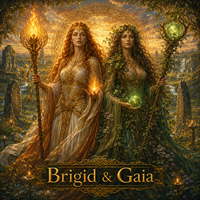
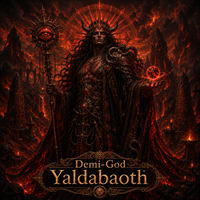
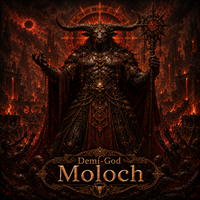
The God Belenus Theme
The God Belenus
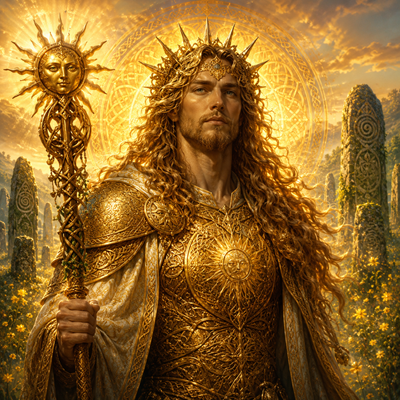
Belenus
Belenus is the radiant god of the sun, noble war, healing light, sacred kingship, courage, justice, prophecy, and divine protection. Among the gods of Hy Brasil, he is honoured as the Golden Lord, the Spear of Dawn, the Bright Shield, the Sun Crowned King, and the Guardian of the Sacred Flame.
He is not merely a god of warmth and daylight. He is the holy fire that drives back corruption, the golden light that exposes lies, and the divine warrior who stands between the innocent and the darkness.
Where the Mother Goddess gives life, Belenus protects it.
Where Cernunnos teaches strength through the wild, Belenus teaches strength through honour.
Where Etain brings beauty, inspiration, love, and spiritual grace, Belenus brings courage, clarity, justice, and righteous fire.
To his followers, Belenus is the light that must never be allowed to die.
Celtic Inspiration
In ancient Celtic tradition, Belenus was associated with light, the sun, healing, fire, and brightness. His name is often connected with radiance, shining power, and the great festival fires of the warmer half of the year. In Lords of Hy Brasil, this inspiration becomes the foundation for one of the great good gods of the Earth Realm.
Belenus is not a gentle decorative sun god who simply blesses the sky. He is a solar warrior, a divine protector, and a judge of darkness. His light warms the fields, heals the sick, strengthens the brave, and reveals the hidden schemes of evil.
His temples are built where the first sunlight touches hilltops, stone circles, sacred towers, and golden fields. His priests light dawn fires, bless warriors before battle, and swear that no shadow shall rule unchallenged while the sun still rises.
Divine Role in the Earth Realm
The Earth Realm is ruled by a race of gods who expect their followers to behave according to the religion they claim to serve. These gods are not satisfied with empty prayers, hollow ceremonies, or public worship followed by secret corruption.
Belenus expects his followers to act with courage, honour, discipline, justice, and protection of the innocent. He favours rulers who defend their people, keep their oaths, oppose evil, protect temples, and fight wars for righteous causes rather than vanity or greed.
A king who follows Belenus must be more than strong.
He must be worthy.
A queen who follows Belenus must be more than clever.
She must be just.
To worship Belenus is to accept that power is sacred only when it protects life, truth, and honour. A ruler who uses his name to justify cruelty, conquest for greed, betrayal, or oppression may find the golden light turning against them.
Lover of Etain
Belenus is the divine lover of Goddess Etain, the radiant goddess of beauty, love, renewal, inspiration, sovereignty, and spiritual grace. Together they are one of the great sacred pairings of the Earth Realm.
Belenus is the sun in its power: bright, commanding, protective, and impossible to ignore.
Etain is the golden dawn and the shining soul: graceful, enchanting, renewing, and filled with mystery.
Their union represents the harmony between courage and beauty, law and love, kingship and inspiration, war and healing. Belenus may raise the spear against evil, but Etain reminds him what the spear is raised to protect.
He loves her deeply, not as a possession, but as a divine equal. She softens the sternness of his judgement, while he strengthens the protective force around her beauty and sacred sovereignty. His followers are encouraged to honour Etain’s people, and the two faiths are often close allies.
A kingdom that worships both Belenus and Etain may become a realm of golden courts, noble warriors, inspired bards, sacred marriages, healing fires, and radiant festivals.
Yet there may be tension between their priesthoods. Belenus may demand action against evil before it spreads. Etain may urge diplomacy, grace, and the preservation of beauty even in dark times. Belenus sees the battlefield clearly. Etain sees the heart of those who may yet be saved.
A wise ruler listens to both.
The Enemy of Moloch
Of all the dark powers in the Earth Realm, Moloch hates Belenus most.
In the ancient age, Moloch was a brutal demi-god of war, fire, and sacrifice who descended into corruption. He demanded blood tribute, furnace rites, captives, and the burning of sacred cities. When his cruelty grew beyond all restraint, Belenus rose against him.
Their battle became one of the great divine wars of Hy Brasil.
Moloch’s fire was red, hungry, and merciless.
Belenus’ fire was golden, disciplined, and just.
The clash shook mountains, boiled rivers, and turned the sky to flame. Moloch believed that hatred and terror could overcome all things, but Belenus stood firm. With solar spear, sacred fire, and the judgement of the good gods, Belenus cast Moloch down into the pits of hell.
Since that day, Moloch has burned with hatred.
He blames Belenus for his fall. He dreams of revenge. His followers seek to defile Belenus’ temples, murder his priests, and prove that golden light can be swallowed by furnace fire.
But Belenus does not fear Moloch.
He knows that hatred burns fiercely, but it burns itself hollow. The fire of Belenus is not rage. It is purpose.
Belenus and Yaldabaoth
Belenus also opposes Yaldabaoth, the conquering demi-god of false light, empire, chains, and spiritual control. This conflict is different from his war with Moloch.
Moloch is open darkness: fire, terror, sacrifice, and hatred.
Yaldabaoth is false brightness: law without mercy, order without freedom, gold without warmth, and empire without soul.
Because Belenus is a true solar god, he sees through Yaldabaoth’s counterfeit radiance. He knows the difference between sacred light and false light. The light of Belenus heals, reveals, and protects. The light of Yaldabaoth blinds, controls, and imprisons.
Followers of Belenus are often among the first to warn other kingdoms when Yaldabaoth’s influence begins to spread. They recognise the signs: harsh laws disguised as justice, forced conversion disguised as salvation, obedience disguised as peace, and conquest disguised as order.
To Belenus, a golden crown means nothing if it rests upon a tyrant’s head.
Relationship with the Mother Goddess
Belenus honours the Mother Goddess as one of the greatest powers of the Earth Realm. Her life-giving force and his protective fire often work together. Her followers bring harvest, birth, healing, and mercy. His followers bring defence, justice, courage, and light.
In times of invasion, Belenus’ warriors may stand guard over the Mother Goddess’ sacred wells and healing houses. In times of famine, her priestesses may bless the fields while his priests light dawn fires to drive away sickness and despair.
The Mother Goddess may sometimes find Belenus too stern when he calls for war against evil. Belenus may sometimes find her too patient when dark powers gather strength. Yet both understand that life must be defended, and neither wishes to see the Earth Realm fall to corruption.
Together, their faiths can create strong and stable kingdoms: fertile, loyal, brave, and spiritually protected.
Relationship with Cernunnos
Belenus respects Cernunnos, though the two gods are very different. Cernunnos is primal, wild, instinctive, and rooted in the forest. Belenus is radiant, disciplined, noble, and bound to sacred law.
Cernunnos trusts the wisdom of nature.
Belenus trusts the wisdom of honour.
Cernunnos teaches survival.
Belenus teaches duty.
They may disagree over methods. Cernunnos may favour ambush, wild resistance, and the harsh law of predator and prey. Belenus may prefer open battle, sworn oaths, and righteous judgement. But both despise cowardice, corruption, and the evil demi-gods.
Against Moloch and Yaldabaoth, the followers of Belenus and Cernunnos may become fierce allies. One brings the golden spear. The other brings the antlered storm.
What Belenus Expects of His Followers
Belenus expects his followers to live with honour, courage, truth, and discipline. His religion is not for cowards, traitors, tyrants, or corrupt nobles hiding behind noble words.
His followers are expected to:
Protect the innocent and vulnerable.
Keep oaths and treaties honestly.
Fight evil when it threatens the realm.
Honour Etain and respect her followers.
Defend temples of the good gods.
Stand firmly against Moloch and Yaldabaoth.
Avoid wars of greed, vanity, or needless cruelty.
Rule with justice rather than fear.
Maintain strong armies for defence and righteous war.
Honour healers, priests, warriors, judges, and bards who serve truth.
Expose corruption in their own courts.
Use power as a sacred duty, not a personal luxury.
Belenus does not forbid war. He blesses righteous war when it is fought to defend the innocent, break tyranny, oppose evil, or protect the sacred order of the Earth Realm. But he despises false crusades, greed disguised as justice, and rulers who use holy language to hide ambition.
Temples and Priesthood
The temples of Belenus are usually built in places touched by powerful sunlight: hilltops, open plains, stone circles, mountain passes, and golden valleys. Many face east, so the first light of dawn enters the sanctuary.
His temples often contain sacred fires that are never allowed to go out. These flames are used to bless warriors, heal the sick, purify corrupted objects, and mark great oaths. In times of war, kings and lords may come before the dawn flame to swear that their cause is just.
His priests are healers, judges, fire-keepers, sun-seers, and warrior-priests. Some carry golden staffs, solar shields, or ceremonial spears. They are expected to live honourably, speak truth to rulers, and condemn corruption even when it is politically dangerous.
A corrupt priest of Belenus is considered one of the most shameful things in the Earth Realm, for to twist the light into deceit is to walk the path of Yaldabaoth.
Symbols of Belenus
Common symbols of Belenus include:
The Golden Sun.
The Spear of Dawn.
The Bright Shield.
The Sacred Flame.
The Sun Crown.
The White Horse of Morning.
The Solar Wheel.
The Eye of True Light.
These symbols appear on temples, banners, armour, shields, holy books, and royal regalia. A lord who wears the symbol of Belenus is expected to behave with honour, because the people will judge them by the light they claim to serve.
Divine Blessings
When pleased, Belenus grants blessings of courage, healing, protection, morale, truth, and righteous military strength. His blessings are especially useful to realms that defend their people, oppose evil, and maintain honourable rule.
Possible blessings in the game world may include:
Improved morale for armies fighting defensive or righteous wars.
Bonuses against followers of Moloch.
Resistance to fear, terror, and dark fire.
Improved healing in temples and settlements.
Greater loyalty among honourable nobles and warriors.
Improved public order when the ruler keeps oaths.
Stronger priestly support during wars against evil demi-gods.
Reduced corruption in court and administration.
Better defence of temples, towns, and sacred sites.
Increased chance to expose spies, traitors, and false priests.
Sun-blessing bonuses during certain festivals or seasons.
Belenus is a strong god for players who want to build a noble, disciplined, spiritually protected realm. His blessings do not reward cruelty or random conquest. They reward courage, justice, oath-keeping, and righteous war.
Divine Wrath
Belenus is merciful to honest weakness, but harsh toward dishonour. A ruler who claims to follow him while lying, betraying allies, persecuting innocents, abusing sacred power, or starting wars for greed may lose his favour.
His punishments may include:
Loss of army morale.
Priests refusing to bless unjust wars.
Unrest among honourable nobles.
Reduced healing from temples.
Increased chance of corruption being exposed publicly.
Loss of loyalty among followers of Etain and the Mother Goddess.
Weakness against Moloch’s terror if the ruler has acted dishonourably.
Solar festivals turning into days of bad omens.
Sacred flames burning low or going out.
In extreme cases, Belenus may mark a ruler as oath-broken. Such a ruler may find allies abandoning them, priests denouncing them, and warriors refusing to fight under their banner.
Belenus does not demand perfection.
He demands honour.
Belenus in the Game
In Lords of Hy Brasil, Belenus represents the path of noble light, honourable kingship, healing, divine protection, and righteous war. His religion is ideal for players who want to build a strong moral kingdom, defend their people, oppose evil, and earn divine favour through courage and justice.
A Belenus-aligned realm may become a powerful force against the evil demi-gods, especially Moloch. Its armies may not be the most savage or terrifying, but they can be disciplined, loyal, and hard to break. Its temples can strengthen morale, healing, and resistance to corruption.
Players who follow Belenus should think carefully before declaring war. A defensive war, a liberation war, or a campaign against Moloch or Yaldabaoth may earn his blessing. A greedy conquest against peaceful neighbours may anger him.
His path is not the easiest path, because honour can limit a ruler’s choices. But that is also his strength. A kingdom that truly follows Belenus can become trusted, respected, and spiritually powerful.
Belenus does not ask his followers to be soft.
He asks them to be brave enough to do what is right.
Final Lore Summary
Belenus is the radiant sun god of light, healing, noble war, justice, and sacred kingship. He is the lover of Etain, the golden defender of the Earth Realm, and the divine enemy of Moloch, whom he once cast down into the pits of hell.
He opposes Yaldabaoth because false light is more dangerous than open darkness. He honours the Mother Goddess because life must be protected. He respects Cernunnos because strength and courage are needed when evil walks the world.
To follow Belenus is to walk beneath the golden sun with sword, shield, and conscience held high.
His law is simple:
Let the light heal what can be healed.
Let the light reveal what hides in shadow.
And when darkness comes for the innocent, let the light become a spear.